CodeNest

Empowering students to create — not just consume — technology.

Book a Trial Class
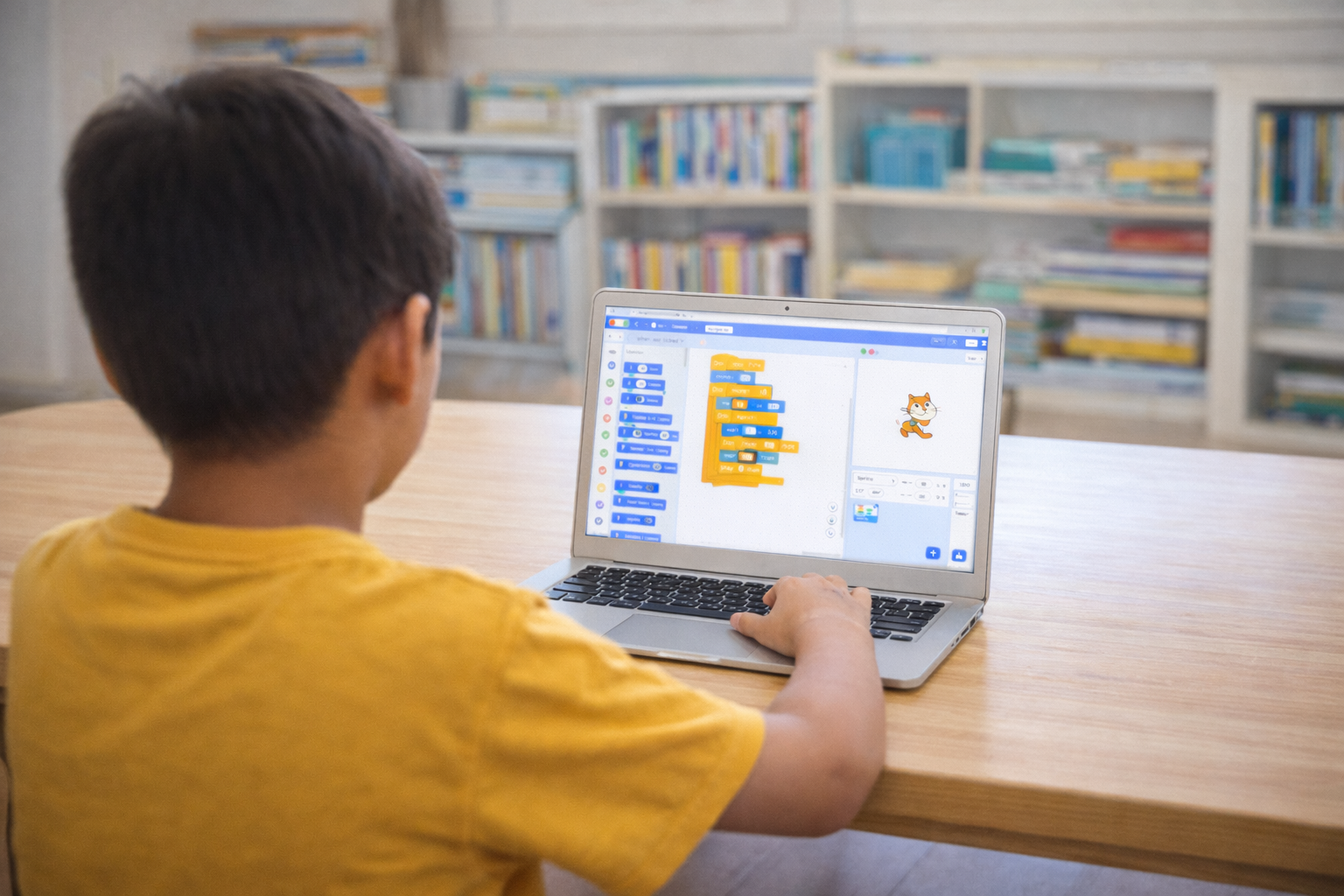
Kids coding on laptops

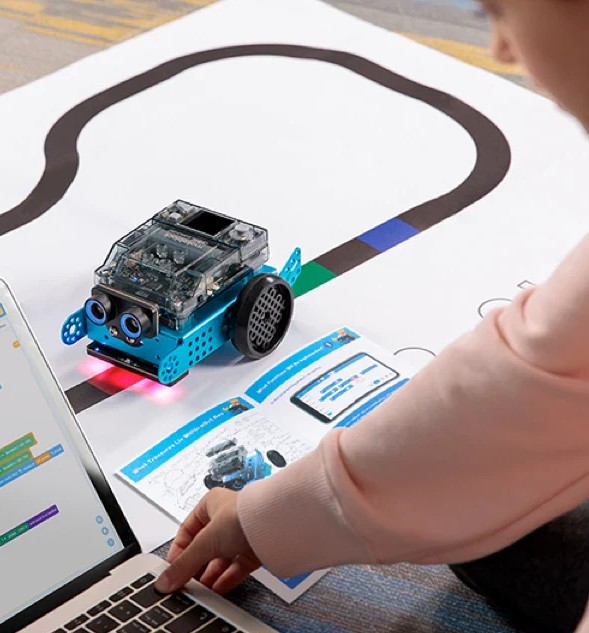
See mBot2 in Action

Watch how learners build and program their own robots through fun projects.

Capstone Projects

Why Start Coding Young?

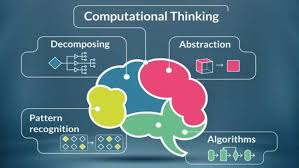
Computational Thinking

Develops Computational Thinking

Learning to code teaches children how to think step-by-step, recognize patterns, and approach challenges logically. These thinking skills are useful not just in programming, but in mathematics, science, and everyday problem-solving.

Computational thinking is broken down into four key components: decomposition, pattern recognition, abstraction, and algorithms.

Problem Solving

Improves Problem-Solving

When our students code, they learn to break big problems into smaller parts. This helps them stay calm when facing difficult tasks and builds resilience when solutions don’t work the first time.

Creativity

Boosts Creativity

Our students don’t just use apps — they create games, animations, and digital projects. Coding becomes a tool for imagination, allowing them to turn ideas into something real and interactive.

Confidence

Builds Confidence

When our students see their code come to life, they feel proud of what they’ve built. This sense of achievement grows their confidence and encourages them to try new challenges.

Skills

Prepares for the Future

Technology is part of every industry today. Learning coding early gives children an advantage in this digital age — even if they choose careers outside of technology.

Research-Backed Benefits

Research shows that learning computational thinking and coding is linked with gains in critical thinking, problem solving, and analytical reasoning in children.

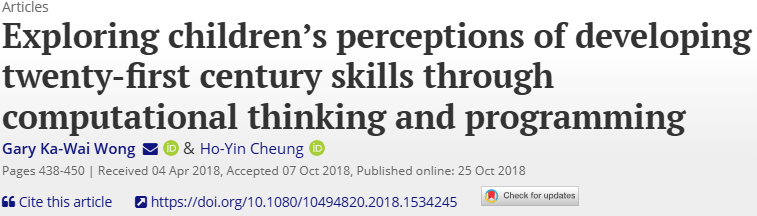
"Our quantitative results showed an improvement in the students’ creative thinking, critical thinking and problem-solving skills after the intervention. This finding was verified by our qualitative study, which found that students perceived that the programming curriculum not only equipped them with knowledge in programming and computer operation, but also enhanced their thinking skills, problem solving skills and creativity through the process of designing and creating their own games."

Wong, G. K. W., & Cheung, H. Y. (2020). Exploring children’s perceptions of developing twenty-first century skills through computational thinking and programming. Interactive Learning Environments, 28(4), 438–450. https://doi.org/10.1080/10494820.2018.1534245

Why Join Our Classes?

1-1 Home Learning • Learning through action • Project-based approach • Safe environment

Our Course Pathway

We hold a 12-lesson course to teach students the fundamentals of programming, robotics, and AI.

Lessons 1-5

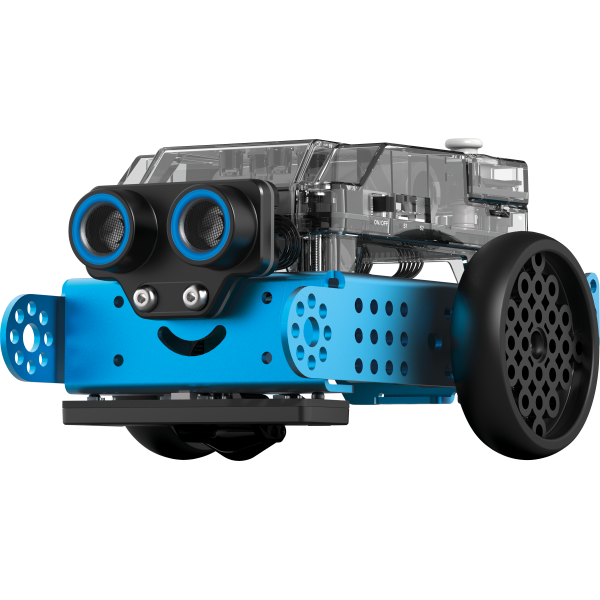
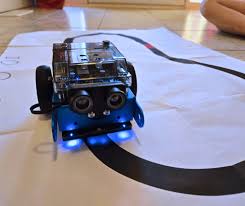
Manouvre with mBot2 and learn basic programming concepts through makeblock.

mBot2 Robot

Lessons 6-9

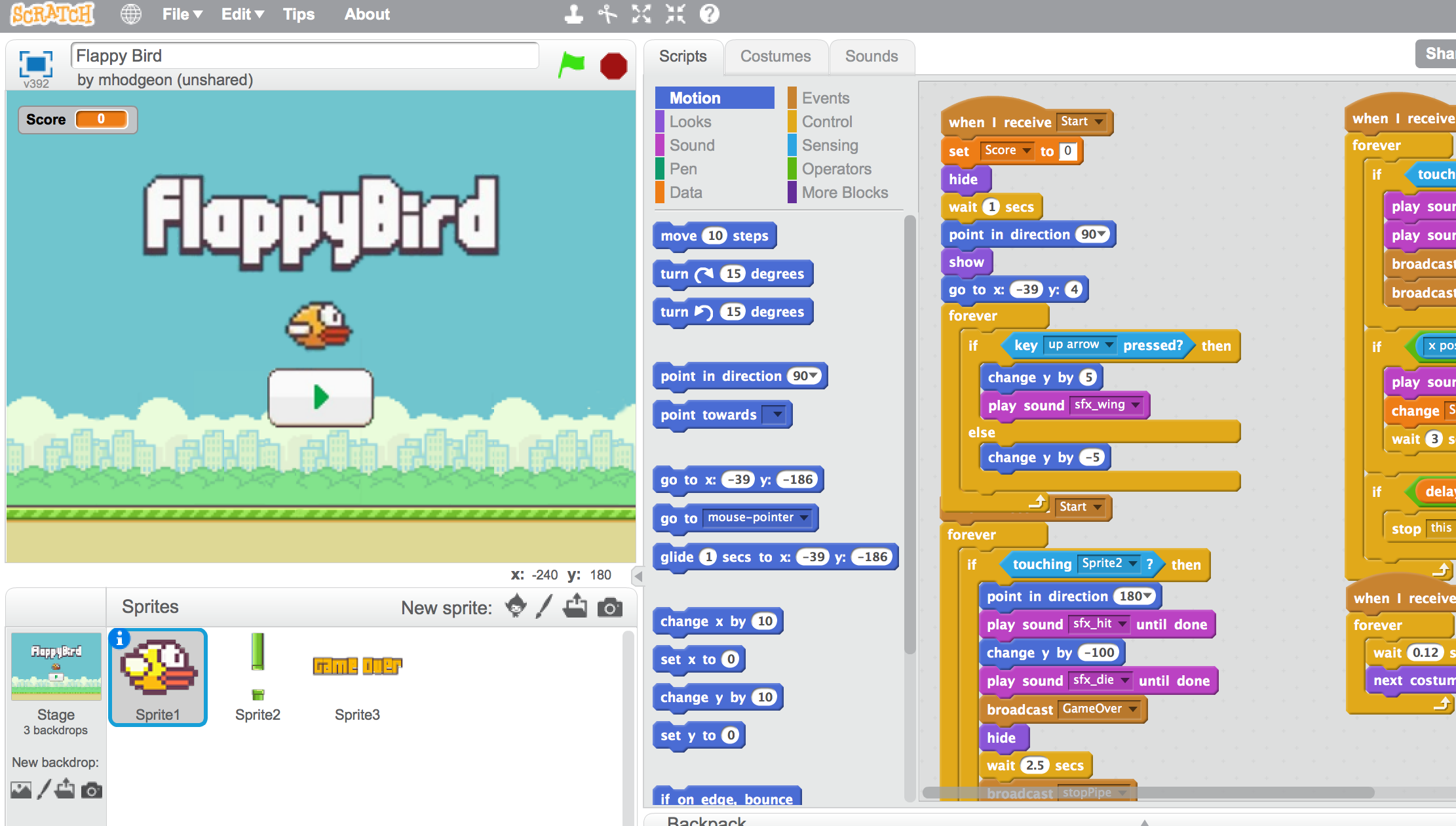
Design and build your own simple game using programming concepts with Scratch.

Game Creation

Lessons 10-12

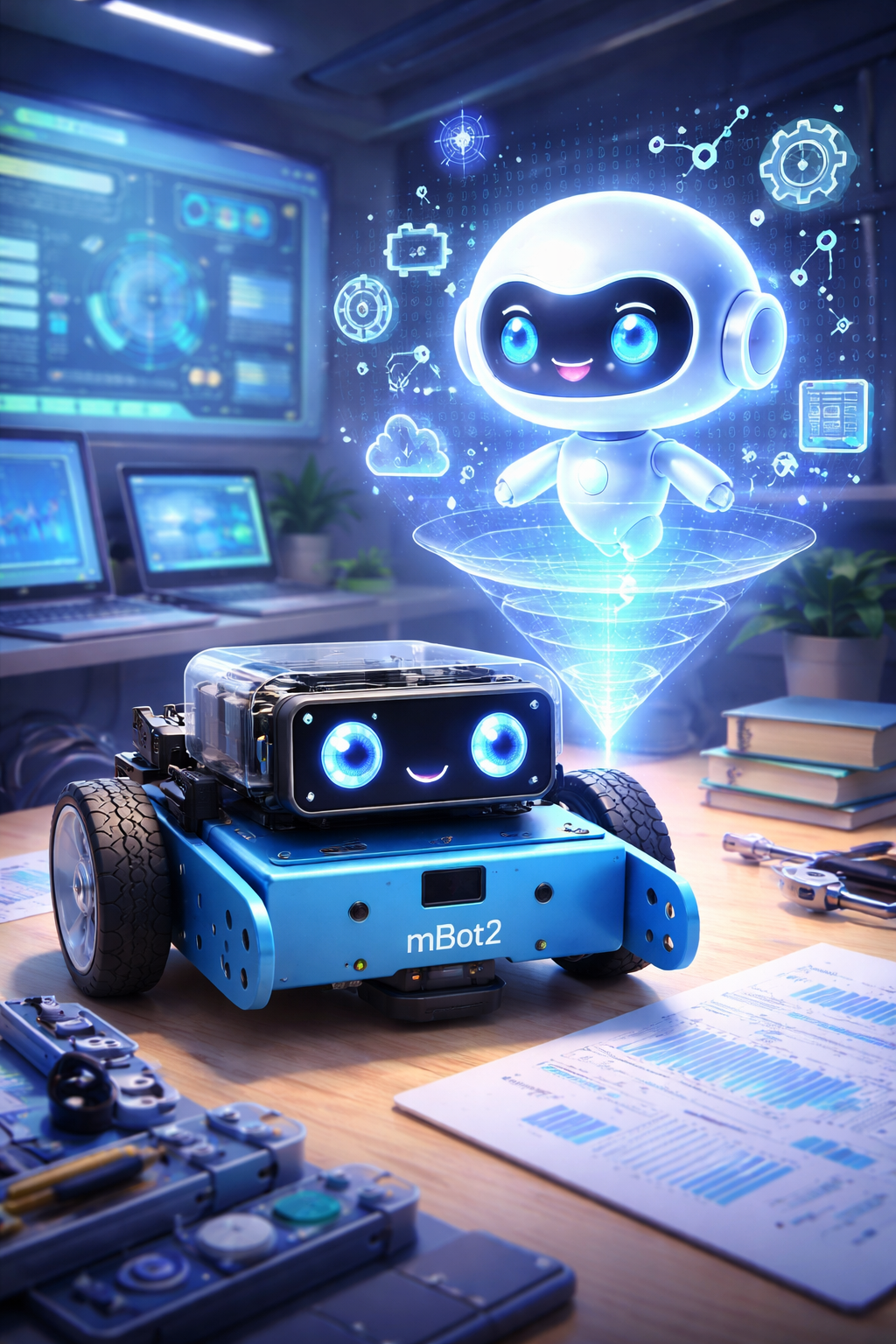
Dive into the world of AI and machine learning with mBot2.

AI and Machine Learning

Book a Trial Class